
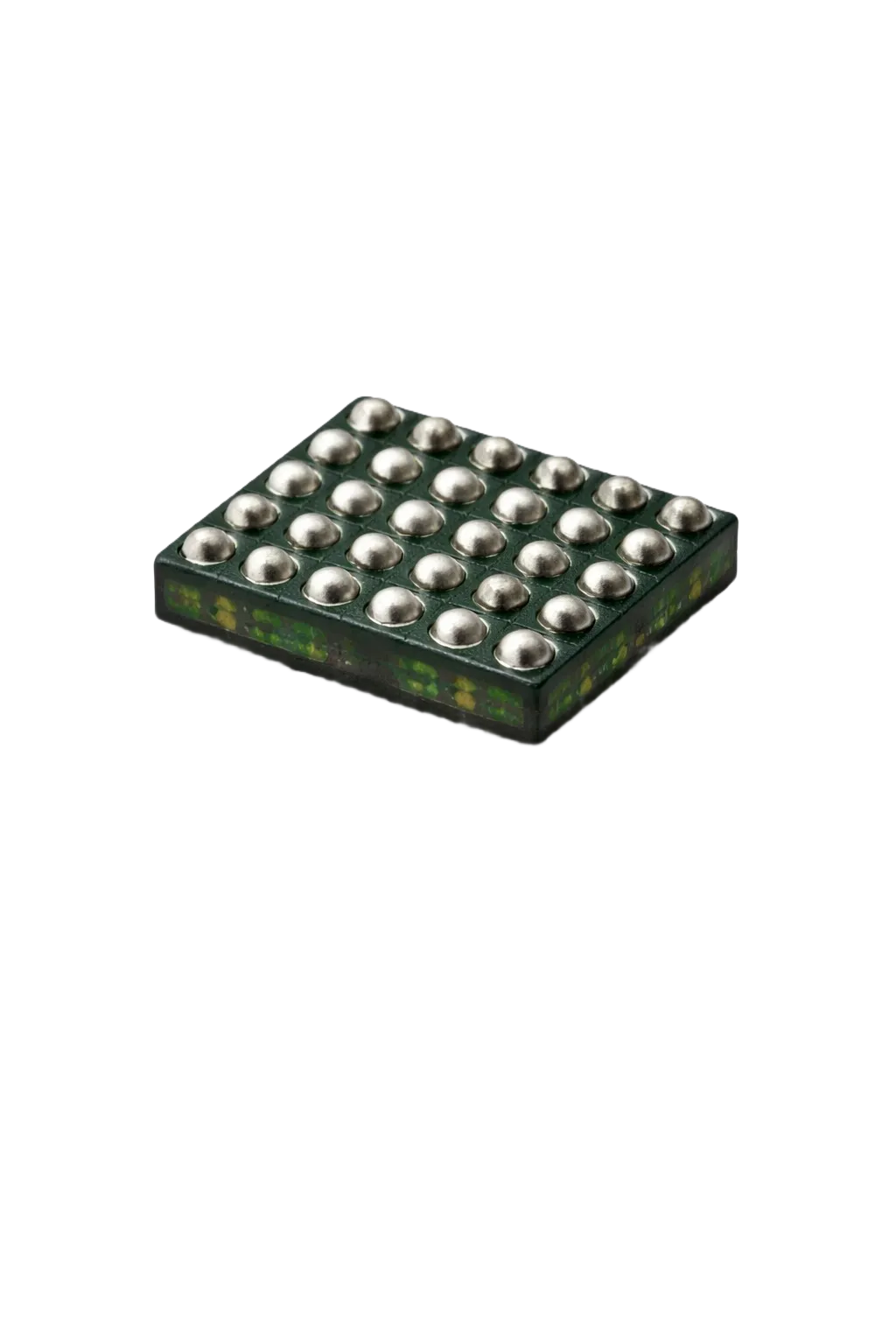
PIC16LC770-E/SS Microchip PIC16LC770-E/SS Microcontrollers PIC 256B 20MHz
Microchip PIC16LC770-E/SS MCU 8-bit PIC16 PIC RISC 3.5KB EPROM 3.3V/5V 20-Pin SSOP Tube
Microchip PIC16LC770-E/SS Microcontrollers Overview
MCU 8-bit PIC16 PIC RISC 3.5KB EPROM 3.3V/5V 20-Pin SSOP Tube
Key Features of Microchip PIC16LC770-E/SS Microcontrollers
- Optimized to core Architecture: PIC, improving robustness in practical applications.
- Engineered to rAM Size: 256B, supporting dependable performance in real-world designs.
- Optimized to max Frequency: 20MHz, improving robustness in practical applications.
Microchip PIC16LC770-E/SS Microcontrollers Applications
Miscellaneous and Emerging Applications
- Often used in e-bike controllers regulating motor assist levels and battery protection logic, where predictable behavior and reliability are important.
- Commonly applied in smart recycling machines sorting materials using sensors and actuator control, supporting stable and efficient system performance.
- Often used in smart helmets monitoring impact sensors and sending post-event alerts, where predictable behavior and reliability are important.
- Often used in smart mirrors displaying information, controlling brightness, and handling touch input, where predictable behavior and reliability are important.
- Often used in smart toys managing sensors, audio playback, LEDs, and sleep timers, where predictable behavior and reliability are important.
Internet of Things (IoT)
- Often used in smart parking sensors detecting occupancy and updating availability systems, where predictable behavior and reliability are important.
- Commonly applied in asset tracking devices managing GPS fixes and cellular/NB-IoT communication sessions, supporting stable and efficient system performance.
- Well-suited for smart city sensors monitoring traffic flow and environmental pollution indicators, helping designers meet typical integration requirements.
- Commonly applied in ioT gateways managing protocol translation between BLE/Zigbee/Modbus and IP networks, supporting stable and efficient system performance.
- Well-suited for environmental monitoring nodes measuring air quality (PM/VOC/CO?) and logging trends, helping designers meet typical integration requirements.
Aerospace and Defense
- Commonly applied in unmanned ground vehicles controlling motors and sensor fusion for navigation, supporting stable and efficient system performance.
- Well-suited for flight control systems managing sensor inputs and actuators with redundant safety logic, helping designers meet typical integration requirements.
- Often used in range instrumentation units collecting telemetry with precise time-stamping, where predictable behavior and reliability are important.
- Well-suited for electronic warfare controllers managing waveform timing and subsystem coordination, helping designers meet typical integration requirements.
- Commonly applied in navigation systems processing GPS and inertial data for robust position estimates, supporting stable and efficient system performance.
Communication Devices
- Well-suited for intercom systems managing duplex audio, door release relays, and call routing, helping designers meet typical integration requirements.
- Often used in v2X communication units exchanging safety messages with timing and security checks, where predictable behavior and reliability are important.
- Well-suited for paging transmitters controlling message encoding and timed broadcast slots, helping designers meet typical integration requirements.
- Often used in smart antennas adjusting orientation, gain, and calibration routines for link quality, where predictable behavior and reliability are important.
- Well-suited for wireless microphones managing channel hopping and battery monitoring, helping designers meet typical integration requirements.
Wearable Devices
- Well-suited for posture trainers detecting orientation and providing corrective haptic feedback, helping designers meet typical integration requirements.
- Well-suited for haptic wearables generating vibration cues for navigation or accessibility prompts, helping designers meet typical integration requirements.
- Often used in smart insoles measuring pressure distribution and supporting gait analysis, where predictable behavior and reliability are important.
- Well-suited for smartwatches managing displays, sensors, notifications, and battery optimization, helping designers meet typical integration requirements.
- Commonly applied in smart helmets monitoring impacts and logging safety events for review, supporting stable and efficient system performance.
Microchip PIC16LC770-E/SS Specifications
General
| Access Time | 20µs |
| Case/Package | SSOP |
| Core Architecture | PIC |
| Data Bus Width | 8b |
| Frequency | 20MHz |
| Interface | I2C, SPI, SSP |
| Lead Free | Lead Free |
| Lifecycle Status | NRND |
| Max Frequency | 20MHz |
| Max Operating Temperature | 125°C |
| Max Power Dissipation | 1W |
| Max Supply Voltage | 5.5V |
| Memory Size | 3.5kB |
| Memory Type | EPROM |
| Min Operating Temperature | -40°C |
| Min Supply Voltage | 2.5V |
| Mount | Surface Mount |
| Number of Pins | 20 |
| Number of Programmable I/O | 16 |
| Number of Timers/Counters | 3 |
| Packaging | Bulk |
| RAM Size | 256B |
| Radiation Hardening | No |
| RoHS | Compliant |
| Watchdog Timer | Yes |
Specification: Microchip PIC16LC770-E/SS Microcontrollers PIC 256B 20MHz
|
User Reviews
Only logged in customers who have purchased this product may leave a review.
Related Products
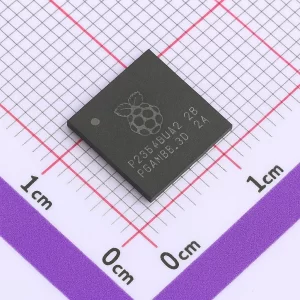
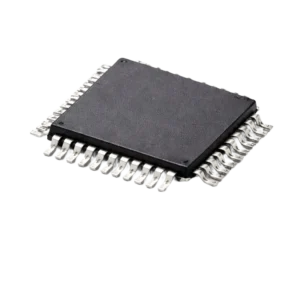

Microchip PIC16LC770-E/SS Microcontrollers PIC 256B 20MHz
There are no reviews yet.