
The cost of a proximity sensor in 2026 typically ranges from $2 to $200+, depending on the sensor type, sensing range, accuracy, brand, and industrial grade.
Basic proximity sensors used for Arduino, DIY electronics, and hobby projects can cost as little as $2–$15, while industrial-grade sensors designed for factory automation and precision manufacturing may exceed $150–$300.
Whether you’re sourcing a single prototype sensor or bulk quantities for OEM production, understanding current pricing trends can help you choose the right product at the best value.
For OEM buyers and manufacturers, bulk purchasing can reduce proximity sensor prices by 10%–60% depending on MOQ and supplier agreements.
Proximity Sensor Price Range Overview
Most proximity sensors fall into three primary price tiers based on application and performance.
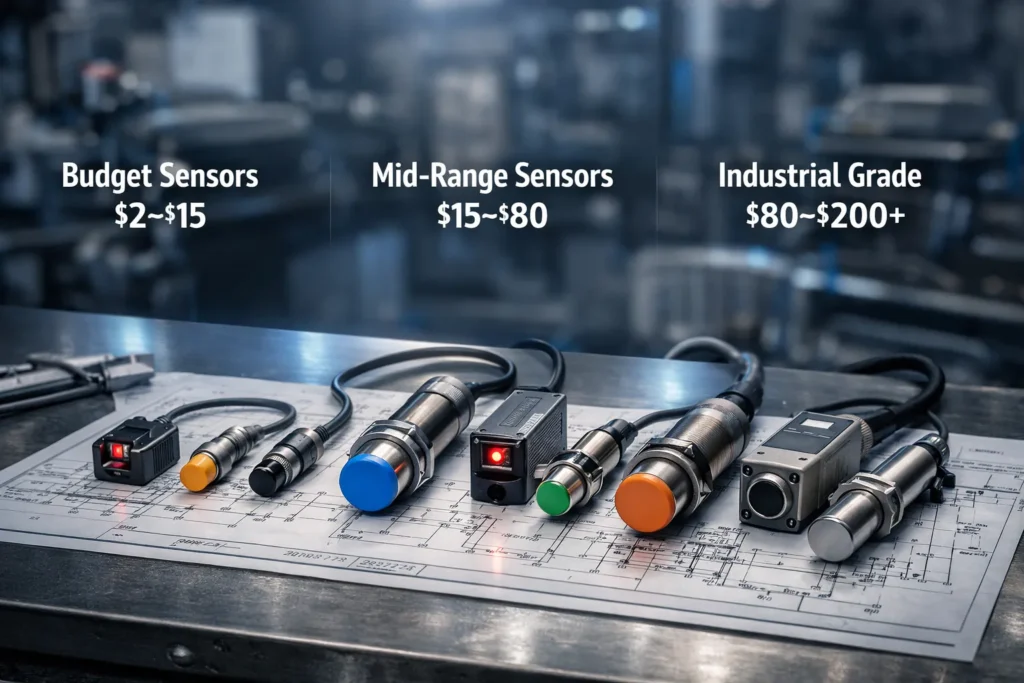
Low-Cost Sensors ($2–$15)
| Feature | Details |
|---|---|
| Common Use | DIY / Arduino / Hobby Projects |
| Detection Range | Short |
| Durability | Basic |
| Accuracy | Low to Moderate |
Typical applications:
- DIY automation
- Smart home experiments
- Entry-level robotics
Mid-Range Sensors ($15–$80)
| Feature | Details |
|---|---|
| Common Use | Light industrial applications |
| Detection Range | Moderate |
| Durability | Improved |
| Accuracy | Moderate to high |
Typical applications:
- Conveyor systems
- Packaging machinery
- Small-scale industrial automation
High-End Industrial Sensors ($80–$200+)
| Feature | Details |
|---|---|
| Common Use | Heavy Industrial / Factory Automation |
| Detection Range | Long |
| Durability | Rugged / IP67+ |
| Accuracy | High Precision |
Typical applications:
- Factory automation
- Automotive production lines
- Heavy machinery
Price by Proximity Sensor Type
The sensing technology used significantly impacts the total cost.
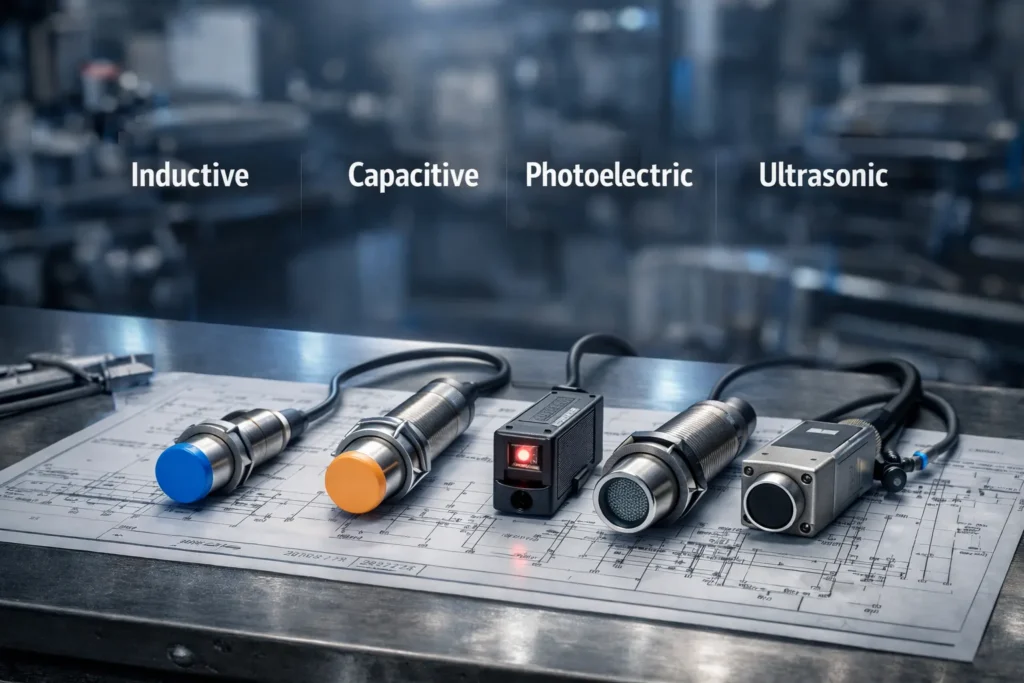
| Sensor Type | Price Range | Detection Material | Common Applications | Example Model |
|---|---|---|---|---|
| Inductive | $5–$50 | Metal Only | Machine Automation | LJ12A3-4-Z/BX |
| Capacitive | $10–$80 | Metal / Plastic / Liquid | Packaging / Liquid Level | CR30 |
| Photoelectric | $20–$200 | Almost All Materials | Conveyor / Robotics | E3Z-D62 |
| Ultrasonic | $30–$300 | Distance Measurement | Measurement / Detection | HC-SR04 |
Inductive Proximity Sensors
Inductive sensors detect metal objects without contact and are the most commonly used in industrial automation.
Key advantages:
- Highly reliable
- Resistant to oil/dust
- Cost-effective
Capacitive Proximity Sensors
Capacitive sensors detect both metallic and non-metallic objects.
Ideal for:
- Liquid level sensing
- Plastic detection
- Powder/material monitoring
Photoelectric Sensors
Photoelectric sensors use infrared or laser beams for long-distance object detection.
Best for:
- Conveyor lines
- Robotics
- Logistics systems
Ultrasonic Sensors
Ultrasonic sensors measure distance using sound waves.
Commonly used for:
- Distance measurement
- Object ranging
- Robotics navigation
Recommended Proximity Sensor Models & Prices
| Model | Price Range | Type | Best For |
|---|---|---|---|
| LJ12A3-4-Z/BX | $3–$8 | Inductive | Arduino / DIY |
| HC-SR04 | $2–$5 | Ultrasonic | Hobby Projects |
| TL-W5MC1 | $20–$60 | Inductive | Automation |
| E3Z-D62 | $40–$120 | Photoelectric | Industrial Use |
Read More: Proximity Sensor vs Photoelectric Sensor: What’s the Difference?
Proximity Sensor Detection Range vs Price Comparison
Detection distance is one of the biggest factors affecting proximity sensor pricing. Generally, the longer the sensing range, the higher the cost.
| Detection Range | Typical Price Range | Recommended Sensor Type | Best For |
|---|---|---|---|
| 0–5 mm | $2 – $20 | Inductive / Capacitive | PCB detection, compact automation |
| 5–15 mm | $15 – $50 | Inductive / Photoelectric | Standard factory applications |
| 15–50 mm | $30 – $100 | Photoelectric / Capacitive | Conveyor belt detection |
| 50–300 mm | $50 – $200 | Ultrasonic / Laser Photoelectric | Robotics and long-distance sensing |
| 300 mm+ | $100 – $500+ | Advanced Laser / Ultrasonic | Precision industrial measurement |
Buying Tip:
If your application only requires short-range detection, avoid overpaying for long-distance industrial sensors.
Industrial Proximity Sensor Brand Price Comparison
Brand reputation has a significant impact on sensor pricing, especially in industrial automation.
| Brand | Average Price Range | Market Position | Known For | Recommended For |
|---|---|---|---|---|
| Omron Automation | $30 – $150 | Premium | Reliability, automation integration | High-end industrial systems |
| Pepperl+Fuchs | $50 – $200+ | Premium | Hazardous environments, precision sensing | Heavy industry |
| Siemens | $40 – $180 | Premium | PLC compatibility, smart factory use | Industrial automation |
| SICK | $50 – $250 | Premium | Advanced optical sensors | Robotics, logistics |
| Autonics | $20 – $100 | Mid-Range | Affordable industrial quality | SME manufacturing |
| Generic Chinese Brands | $2 – $30 | Budget | Cost efficiency | DIY / light automation |
Buying Insight:
Premium brands may cost 2–5x more, but they often provide:
- Longer lifespan
- Better certifications
- Higher consistency
- Lower maintenance costs
Premium Brands
Omron, Pepperl+Fuchs, Siemens, SICK
$40–$250+
Mid-Tier Brands
Autonics, IFM, Balluff
$20–$120
Budget Brands
Generic China OEM
$2–$30
Bulk Purchase Pricing & MOQ Discounts
For manufacturers, distributors, and OEM buyers, bulk purchasing drastically reduces unit cost.
| Order Quantity | Estimated Discount | Typical Unit Price Reduction | Best For |
|---|---|---|---|
| 1–10 pcs | Standard Retail | No Discount | Testing / Prototype |
| 10–50 pcs | 5%–10% Off | Small Reduction | Small Batch Production |
| 50–200 pcs | 10%–20% Off | Moderate Savings | OEM Manufacturing |
| 200–1000 pcs | 20%–35% Off | Significant Savings | Mass Production |
| 1000+ pcs | 35%–60% Off | Factory Direct Pricing | Distributor / Wholesale |
What Factors Affect Proximity Sensor Pricing?
Brand Reputation
Established manufacturers charge more due to stronger reliability and warranty support.
Detection Accuracy
Higher precision sensors require tighter manufacturing tolerances.
Environmental Rating
IP67/IP68 and hazardous-area certifications increase cost.
Connectivity Features
IO-Link and smart diagnostic outputs raise pricing.
Proximity Sensor Market Trends & Future Pricing Forecast (2026–2030)
The global proximity sensor market continues to grow rapidly due to increasing demand for automation, robotics, and smart manufacturing technologies.
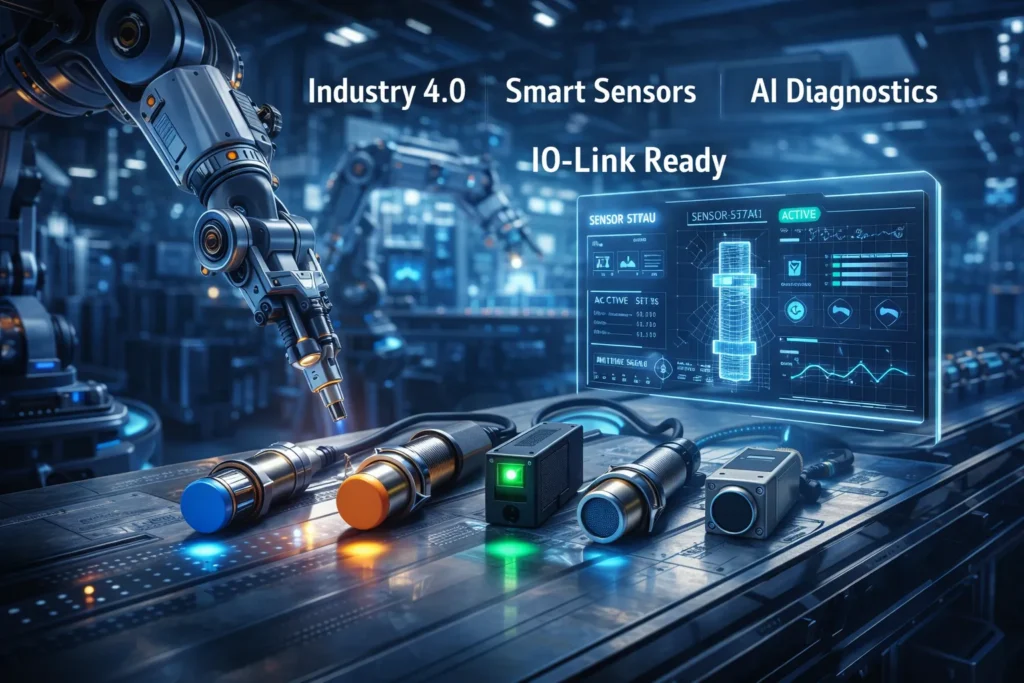
According to industry analysts, the proximity sensor market is expected to maintain strong growth through 2030 as more industries adopt Industry 4.0 and IoT-based automation systems.
Why Proximity Sensor Demand Is Rising
Several macro trends are driving higher global demand for proximity sensors:
| Market Driver | Impact on Demand | Key Industries Affected |
|---|---|---|
| Industrial Automation | Increased use of sensors in factories | Manufacturing, Packaging |
| Smart Manufacturing / Industry 4.0 | More sensor integration in connected systems | Automotive, Electronics |
| Robotics Growth | Higher need for precise object detection | Warehousing, Logistics |
| Electric Vehicle Production | Expanded use in assembly and battery systems | Automotive |
| Consumer Electronics Expansion | Miniature sensors in smart devices | Mobile, Wearables |
Will Proximity Sensor Prices Go Up or Down?
Pricing trends vary depending on sensor category:
| Sensor Category | 2026–2030 Price Trend | Main Reason |
|---|---|---|
| Basic Inductive Sensors | Likely Decrease | Mass production and stronger competition |
| Standard Industrial Sensors | Stable | Balanced supply and demand |
| Smart/IO-Link Sensors | Likely Increase | More advanced functionality |
| Precision Laser Sensors | Increase | Growing demand in robotics/automation |
| Custom OEM Sensors | Stable to Increase | Engineering and tooling costs |
Market Insight:
Entry-level proximity sensors are becoming cheaper every year due to manufacturing scale improvements, while high-performance industrial smart sensors continue to rise in price because of increasing technology complexity.
Technology Trends Changing the Industry
Modern proximity sensors are evolving beyond simple object detection.
Smart Sensor Features Becoming Standard:
| New Technology | Benefit | Price Impact |
|---|---|---|
| IO-Link Connectivity | Real-time diagnostics & remote monitoring | Higher |
| Miniaturization | Smaller sensors for compact designs | Moderate |
| AI/Smart Calibration | Self-adjusting sensitivity | Higher |
| Energy Efficiency | Lower power consumption | Neutral |
| Wireless Integration | Easier installation and IoT compatibility | Higher |
Regional Manufacturing Trends
Sensor manufacturing is increasingly shifting toward Asia for cost efficiency.
| Region | Market Role | Pricing Impact |
|---|---|---|
| China | Largest low-cost manufacturing base | Lowers global pricing |
| Japan | Premium industrial sensor innovation | Maintains premium pricing |
| Germany | High-end industrial engineering | Premium pricing |
| USA | Specialized/custom automation sensors | Mid-high pricing |
Buyer Recommendations for 2026
If you’re purchasing proximity sensors in 2026, experts recommend:
| Buyer Type | Best Strategy |
|---|---|
| DIY / Hobbyists | Choose generic low-cost sensors |
| Small Manufacturers | Use mid-range industrial brands like Autonics |
| OEM / Product Designers | Source bulk directly from suppliers |
| Factories / Integrators | Invest in premium smart sensors for long-term ROI |
Future Buying Advice
As sensor prices fluctuate due to supply chain and material costs:
Buyers should consider locking in bulk pricing contracts early when sourcing for long-term production.
Especially for OEMs and industrial buyers, requesting quotes directly from distributors often provides:
- Better pricing than marketplace listings
- Volume discounts
- Stable inventory supply
- Technical support / cross-reference options
Final Industry Insight
By 2030, proximity sensors are expected to become:
- Cheaper at the entry level
- Smarter at the industrial level
- More integrated with AI/IoT systems
- Essential across nearly every automated industry
Businesses planning future automation upgrades should prioritize suppliers that offer scalable pricing, technical support, and long-term inventory stability.
How to Choose the Right Proximity Sensor
Selecting the right sensor requires evaluating more than price alone.
- Detection Material: Metal, liquid, plastic, or universal detection.
- Detection Distance: Match sensing range to application.
- Installation Environment: Indoor, outdoor, dusty, oily, wet.
- Output Type: NPN, PNP, analog, IO-Link.
Frequently Asked Questions About Proximity Sensor Price
What is the cheapest proximity sensor available?
The cheapest proximity sensors are basic inductive and ultrasonic modules, typically priced between $2–$5.
Why are industrial proximity sensors more expensive?
Industrial sensors provide better durability, accuracy, certifications, and lifespan for demanding environments.
Can I get lower pricing for bulk orders?
Yes. Most suppliers offer significant discounts for OEM and wholesale orders above MOQ.
Why are industrial proximity sensors expensive?
Industrial sensors cost more because they provide:
- Higher precision
- Longer lifespan
- Better certifications
- Rugged industrial housing
Which proximity sensor is best for Arduino?
Popular Arduino-friendly models include:
- LJ12A3
- HC-SR04
Final Thoughts
Proximity sensor pricing in 2026 ranges widely based on type, performance, and application. While hobby sensors may cost only a few dollars, industrial-grade solutions often exceed $100.
For OEM buyers and manufacturers, sourcing directly from distributors or requesting bulk quotations can provide substantial savings.
Request a Quote Today
If you need competitive pricing for bulk proximity sensor orders, contact MOZ Electronics today.