
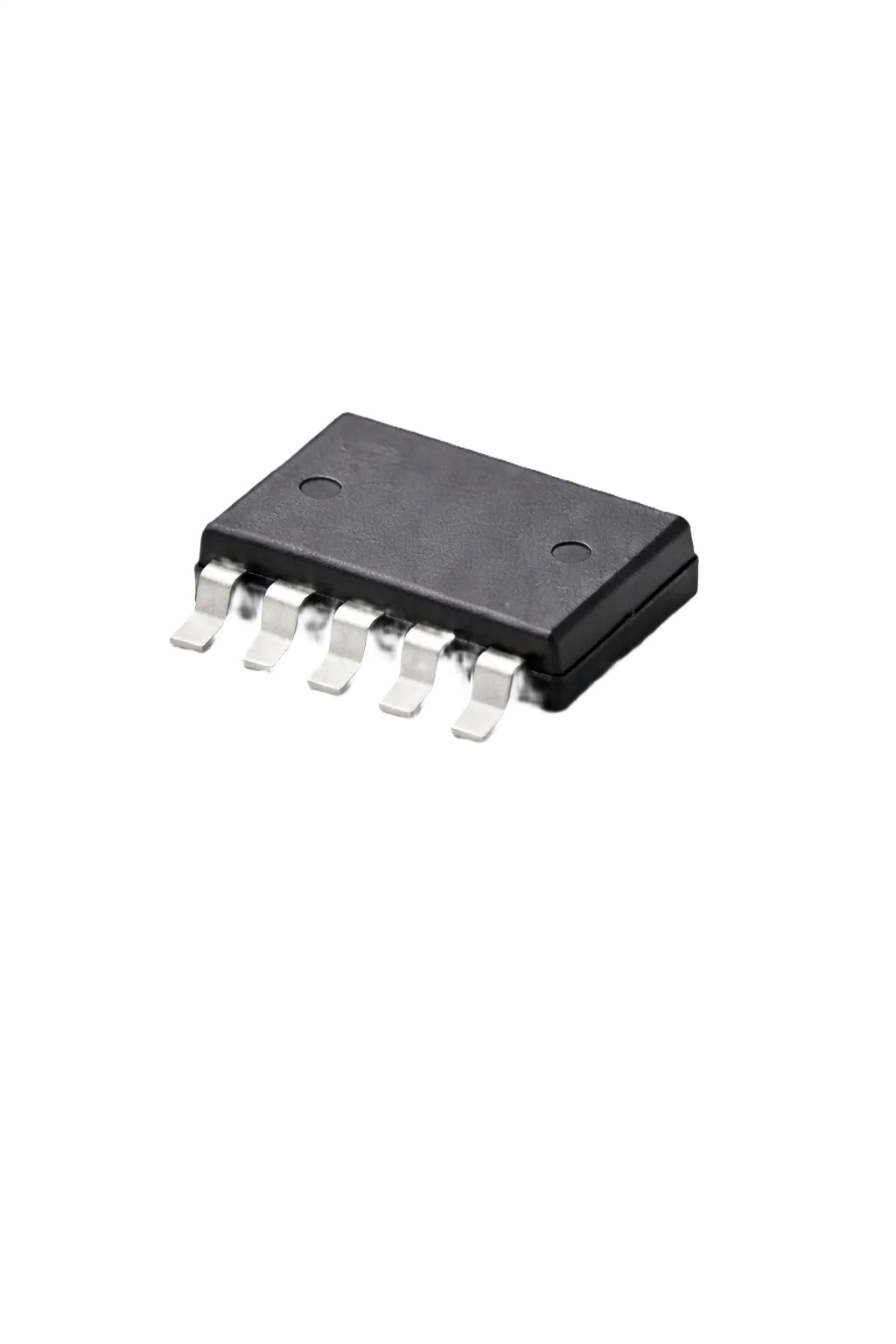
PIC16F18855-I/SP Microchip PIC16F18855-I/SP Microcontrollers PIC 1kB 25 I/Os
Microchip PIC16F18855-I/SP 8-bit PIC MCU, 14 KB, 1024 Bytes, 32 MHz, 1.8 to 5.5V, SPDIP-28, RoHS
Microchip PIC16F18855-I/SP Microcontrollers Overview
8-bit PIC MCU, 14 KB, 1024 Bytes, 32 MHz, 1.8 to 5.5V, SPDIP-28, RoHS
Key Features of Microchip PIC16F18855-I/SP Microcontrollers
- Optimized to rAM Size: 1kB, improving robustness in practical applications.
- Designed to number of I/Os: 25, helping ensure consistent and reliable operation.
- Optimized to core Architecture: PIC, improving robustness in practical applications.
Microchip PIC16F18855-I/SP Microcontrollers Applications
Education and Research
- Well-suited for development boards for teaching embedded systems, GPIO control, and peripheral interfacing, helping designers meet typical integration requirements.
- Commonly applied in research prototypes testing new control algorithms on real hardware platforms, supporting stable and efficient system performance.
- Commonly applied in university lab safety monitors reading gas/temperature sensors and triggering alarms, supporting stable and efficient system performance.
- Often used in oscilloscope front-end controllers managing sampling modes and UI interactions, where predictable behavior and reliability are important.
- Often used in biomedical teaching devices measuring EMG/ECG signals with basic filtering, where predictable behavior and reliability are important.
Wearable Devices
- Often used in smart glasses handling camera control, micro-displays, and touch/button inputs, where predictable behavior and reliability are important.
- Often used in smart insoles measuring pressure distribution and supporting gait analysis, where predictable behavior and reliability are important.
- Often used in posture trainers detecting orientation and providing corrective haptic feedback, where predictable behavior and reliability are important.
- Well-suited for sleep tracking devices analyzing motion and heart rate for sleep quality metrics, helping designers meet typical integration requirements.
- Often used in smart helmets monitoring impacts and logging safety events for review, where predictable behavior and reliability are important.
Medical Devices
- Well-suited for heart rate monitors collecting ECG/PPG signals and calculating beat-to-beat intervals, helping designers meet typical integration requirements.
- Often used in smart hospital beds adjusting position, monitoring occupancy, and preventing entrapment, where predictable behavior and reliability are important.
- Often used in rehabilitation devices controlling assisted movement with torque/position feedback loops, where predictable behavior and reliability are important.
- Commonly applied in blood glucose meters conditioning signals and computing concentration from test strips, supporting stable and efficient system performance.
- Commonly applied in wearable medical monitors logging long-term trends and syncing data securely, supporting stable and efficient system performance.
Experimental and Future Uses
- Often used in autonomous sensor pods for extreme environments managing heaters and survival power modes, where predictable behavior and reliability are important.
- Well-suited for smart textiles with embedded control managing distributed sensing and low-power communications, helping designers meet typical integration requirements.
- Commonly applied in smart materials experiments controlling heating/strain to observe phase changes, supporting stable and efficient system performance.
- Often used in edge federated learning nodes coordinating training cycles and secure updates, where predictable behavior and reliability are important.
- Well-suited for intelligent swarm sensors coordinating distributed sampling and adaptive duty cycling, helping designers meet typical integration requirements.
Communication Devices
- Well-suited for wireless routers controlling status LEDs, button events, and watchdog recovery logic, helping designers meet typical integration requirements.
- Well-suited for conference speakerphones managing echo cancellation control and UI state, helping designers meet typical integration requirements.
- Well-suited for paging transmitters controlling message encoding and timed broadcast slots, helping designers meet typical integration requirements.
- Well-suited for wireless microphones managing channel hopping and battery monitoring, helping designers meet typical integration requirements.
- Commonly applied in nFC readers polling tags and handling secure element interactions, supporting stable and efficient system performance.
Microchip PIC16F18855-I/SP Specifications
General
| Case/Package | DIP |
| Core Architecture | PIC |
| Frequency | 32MHz |
| Interface | I2C, LIN, SPI, UART, USART |
| Lifecycle Status | Production |
| Max Operating Temperature | 85°C |
| Max Supply Voltage | 5.5V |
| Memory Size | 14kB |
| Memory Type | FLASH |
| Min Operating Temperature | -40°C |
| Min Supply Voltage | 2.3V |
| Number of I/Os | 25 |
| Number of Pins | 28 |
| Oscillator Type | Internal |
| Peripherals | Brown-out Detect/Reset, POR, PWM, WDT |
| RAM Size | 1kB |
| REACH SVHC | No |
| RoHS | Compliant |
| Schedule B | 8542310000 |
Specification: Microchip PIC16F18855-I/SP Microcontrollers PIC 1kB 25 I/Os
|
User Reviews
Only logged in customers who have purchased this product may leave a review.
Related Products


Microchip PIC16F18855-I/SP Microcontrollers PIC 1kB 25 I/Os
There are no reviews yet.